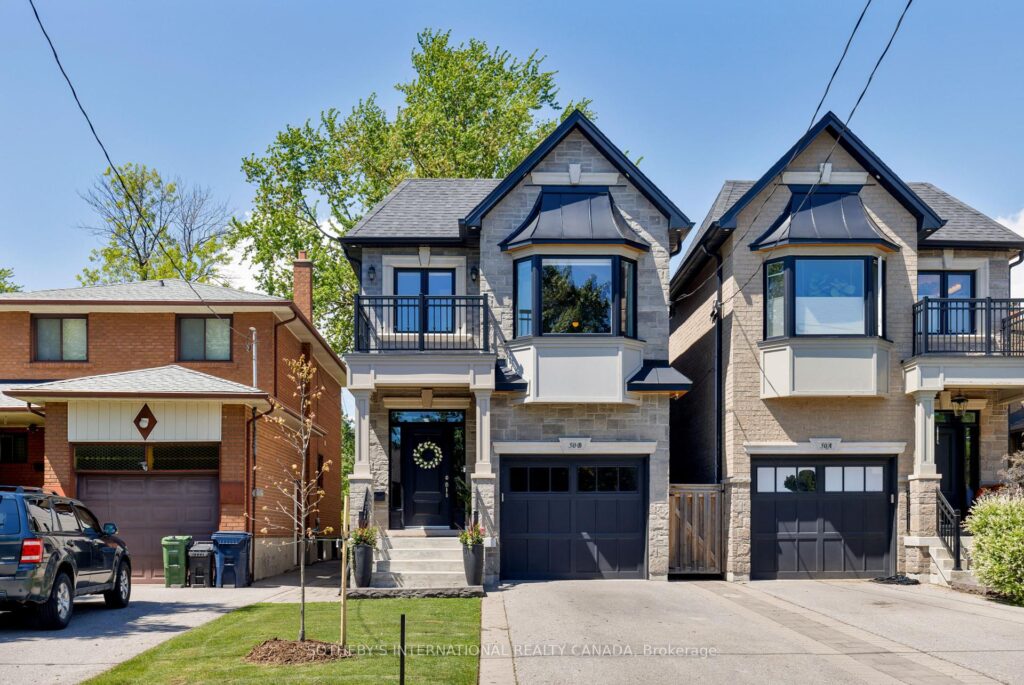
Homeownership is often seen as a cornerstone of financial stability and personal achievement. However, for many potential buyers, the biggest hurdle in achieving that goal is the initial cost—specifically, the down payment. The upfront cash needed to secure a mortgage can be daunting, especially for first-time buyers or individuals with limited savings. Fortunately, there is a solution that can make homeownership more accessible and attainable. It’s called down payment assistance.
Down payment assistance is a financial aid program designed to help buyers cover the initial costs of purchasing a home. This type of support can come in many forms, from grants to forgivable loans, and is typically offered by government agencies, non-profits, and even private institutions. Understanding how these programs work, who qualifies, and how to apply can be the key that unlocks the door to your first home.
The fundamental idea behind down payment assistance is simple. It reduces the amount of money a buyer needs to bring to the table when purchasing a home. In many cases, these programs help bridge the gap between what a buyer can afford and what is required by the lender. Without such support, some buyers would never be able to meet the necessary financial threshold to get approved for a mortgage. This assistance can empower families, individuals, and communities by helping them transition from renting to owning.
One of the most common misconceptions about buying a home is the belief that a twenty percent down payment is always required. While this used to be the standard, it is no longer the only option. Many mortgage programs today allow buyers to put down as little as three to five percent, and in some special cases, even zero percent. Still, even a small percentage of a home’s price can add up quickly. In high-cost housing markets, three percent of the purchase price might mean tens of thousands of dollars. This is where down payment assistance comes into play, helping buyers cover all or part of that amount.
Down payment assistance can be structured in various ways. Some programs offer grants that do not need to be repaid. Others provide low-interest or deferred loans that only require repayment if the buyer sells or refinances the home within a certain period. There are also forgivable loans, which are essentially loans that turn into grants over time, provided the homeowner stays in the house for a predetermined number of years. These different structures are designed to accommodate a wide range of financial situations and encourage long-term homeownership.
Qualifying for down payment assistance typically depends on several factors. Income is one of the primary considerations. Most programs are aimed at low- to moderate-income households, and eligibility is often tied to a percentage of the area median income. Some programs are also limited to first-time homebuyers, though the definition of “first-time” can vary. In many cases, you’re considered a first-time buyer if you haven’t owned a home in the past three years.
Credit history and debt-to-income ratio also play a role in determining eligibility. While most programs require a minimum credit score, the threshold is often lower than what’s required for traditional mortgages. Additionally, applicants are usually required to complete a homebuyer education course. These courses are designed to prepare buyers for the responsibilities of owning a home and to ensure that they understand the terms of their mortgage and assistance program.
Geography can also influence which down payment assistance programs are available to you. Many are offered at the state, county, or city level. Some programs target specific neighborhoods to stimulate investment and growth in those areas homes for sale in Vaughan Ontario Canada. Others are designed for specific professions, such as teachers, first responders, or military veterans. Understanding the unique programs in your area can significantly expand your options and improve your chances of receiving assistance.
The process of applying for down payment assistance typically starts with researching available programs in your location. Once you’ve identified programs for which you may be eligible, the next step is gathering the necessary documentation. This may include proof of income, tax returns, credit reports, and details about your employment. It’s also essential to get pre-approved for a mortgage, as many assistance programs require buyers to have lender approval before they can proceed.
Working with a housing counselor or real estate agent who is familiar with these programs can make a big difference. They can help you navigate the paperwork, avoid common pitfalls, and identify the best opportunities based on your financial situation and housing goals. Mortgage lenders who participate in assistance programs can also guide you through the application process and ensure that your loan is structured to take full advantage of the aid you receive.
Receiving down payment assistance can significantly change the financial equation of homeownership. With less money needed upfront, you can preserve your savings for other essential expenses such as moving costs, home repairs, or emergency funds. It can also make the monthly mortgage more manageable by reducing the loan amount, which in turn lowers your monthly payments.
However, it’s important to understand the long-term implications. If the assistance comes in the form of a loan, even one with deferred payments, it’s still a debt that may need to be repaid under certain conditions. Some programs may also place restrictions on selling or refinancing your home within a certain timeframe. Failing to comply with these terms can result in having to repay the assistance in full, so it’s crucial to read and understand every detail of the agreement.
Down payment assistance doesn’t just help individuals. It has a broader economic and social impact. By making homeownership accessible to more people, these programs help build stronger communities. Homeowners tend to invest more in their neighborhoods, participate in local activities, and contribute to the overall stability of the area. It also helps bridge the wealth gap by allowing more people, especially from underserved populations, to build equity and secure their financial future.
In conclusion, down payment assistance is a valuable tool that can make the dream of homeownership a reality for many who might otherwise be left out. It offers a bridge between aspiration and achievement, helping individuals and families take that critical first step toward owning a home. If you’re considering buying a home and are concerned about the upfront costs, exploring down payment assistance programs could be one of the smartest financial moves you make. Take the time to understand what’s available in your area, assess your eligibility, and seek guidance when needed. With the right support, homeownership may be closer than you think.
