When it comes to safely securing a boat at a dock or mooring, having the right tools can make all the difference. Among these tools, mooring and docking hooks stand out as indispensable for boaters, marina workers, and anyone involved in handling ropes and lines. These simple yet effective devices help manage heavy or slippery ropes, making docking and mooring faster, safer, and more efficient.
What Are Mooring and Docking Hooks?
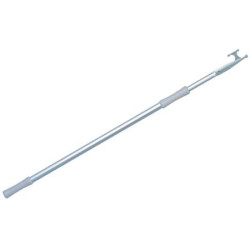
Mooring and docking hooks are handheld tools designed to assist in grabbing, pulling, and securing ropes, lines, and mooring hawsers. They typically feature a long handle with a hooked metal end that can easily catch a line, even at some distance. By using these hooks, boat handlers can safely control lines without leaning over the dock or straining their hands.
These hooks come in various shapes and sizes, tailored for different boat sizes, line thicknesses, and docking scenarios.
Why Use Mooring and Docking Hooks?
1. Safety
Handling heavy mooring lines or slippery ropes with bare hands can be dangerous. Ropes under tension can snap or cause burns and cuts. Mooring hooks allow operators to maintain a safe distance while still having control over the lines, reducing the risk of injury.
2. Efficiency
Using a docking hook speeds up the process of catching lines from the boat or pulling them toward cleats or bollards on the dock. This efficiency is especially important in busy marinas or commercial ports where time is critical.
3. Reach and Accessibility
Docking hooks enable boat handlers to reach lines that might otherwise be hard to grab, especially when the boat is not perfectly aligned or when weather conditions make maneuvering difficult.
Types of Mooring and Docking Hooks
- Standard Mooring Hook: Usually a stainless steel or aluminum tool with a simple curved hook at the end. Its lightweight design makes it easy to carry and use.
- Telescoping Hooks: These hooks have extendable handles, allowing users to adjust the length to reach farther lines without overextending themselves.
- Safety Hooks: Designed with additional grips or ergonomic handles for better control and reduced hand fatigue.
- Specialized Hooks: Some models are built with multiple prongs or specialized shapes to handle unique mooring lines or for use in specific environments, such as commercial shipping docks.
How to Use a Mooring or Docking Hook
Using a docking hook properly involves:
- Approach the line carefully. Position yourself so you have a clear view and steady footing.
- Extend the hook toward the rope. Slide the hook under or around the line to catch it securely.
- Pull the line toward the dock or cleat. Use smooth, controlled movements to avoid sudden jerks that can cause injury or damage.
- Secure the line as needed. Once the rope is within reach, tie it off on cleats, bollards, or other mooring points.
Maintenance and Care
Mooring and docking hooks should be made of corrosion-resistant materials like stainless steel or coated aluminum to withstand harsh marine environments. Regular cleaning with fresh water and inspection for damage or rust will ensure they remain reliable and safe to use.
Conclusion
Mooring and docking hooks are simple but vital tools for anyone handling boats in marinas, harbors, or mooring fields. By improving safety, increasing efficiency, and providing greater reach, these hooks help make docking and mooring less stressful and more secure. Investing in a quality mooring or docking hook is a smart choice for boat owners, dockhands, and marina operators alike.
